Entry · Ref G6L5NJ_B
What to consider before your trip to the Hatta mountains
- Posted
- 2026-11-20
- Last amended
- 2026-11-20
- Account
- @myhattamountaindubainews
Dubai is known for its skyline, but a short drive east takes you into a completely different landscape. The Hatta mountains rise out of the desert with jagged ridges, dry riverbeds and a quiet that feels far from the city. Before you set off, a little planning makes the difference between a smooth day out and one spent dealing with surprises.
The main thing to understand is that Hatta is not a single viewpoint or a theme park. It is a region of the Hajar range, with a few distinct areas where visitors spend their time. The old village, the dam, the heritage sites and the hiking trails are spread out enough that you will want to know where you are headed before you leave. That is why it helps to work through a short checklist before you book anything.
Know which part of Hatta you want to see
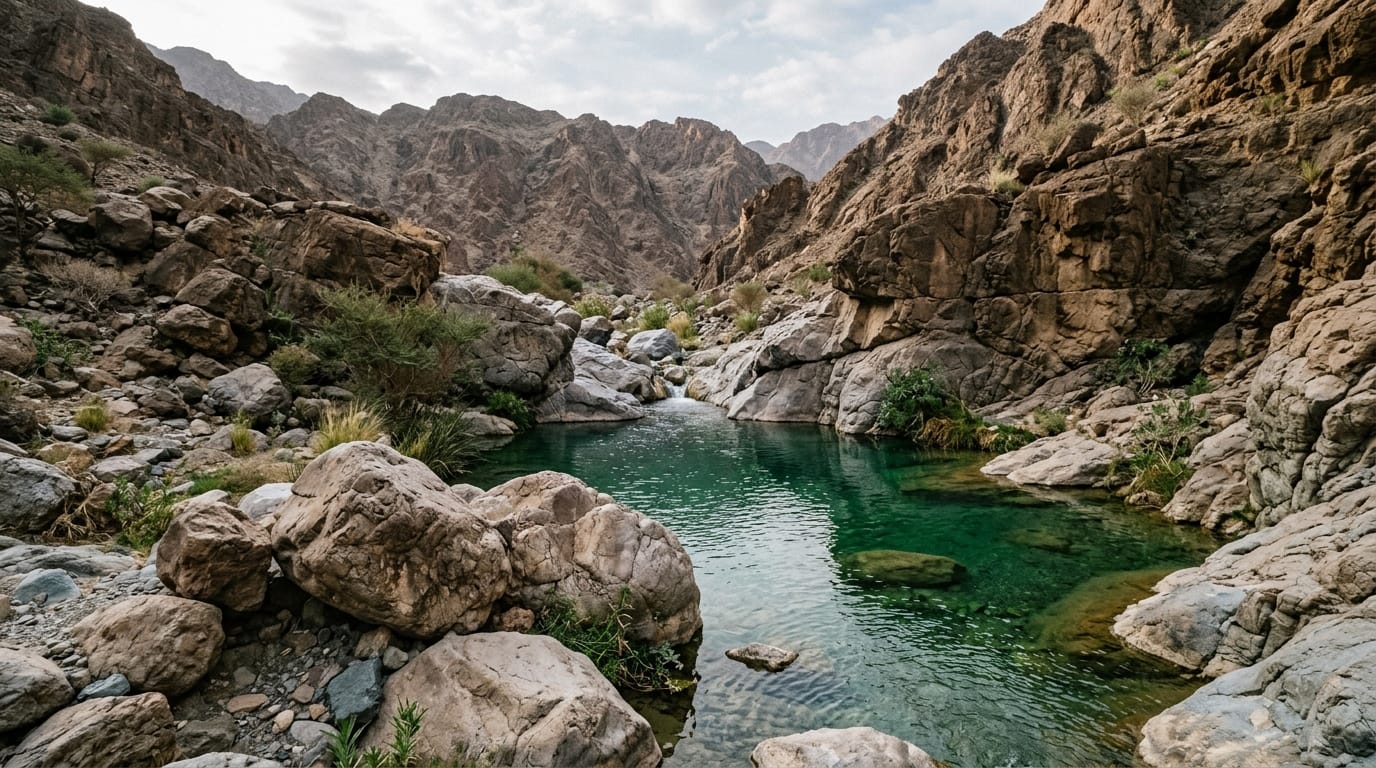
Hatta has several focal points. The dam is the most photographed spot, with turquoise water set against the dusty brown hills. There are kayak rentals there, and a walking path along the water. The heritage village gives you a look at the old stone houses and the round watchtowers that once guarded the settlement. The hiking trails begin from different points, some close to the dam and others further up the wadis. Decide what appeals to you most before you pick a tour or a route. If you want to paddle on the water, you need a tour that includes the dam area. If you want to walk for a couple of hours, you need a route that matches your fitness and a guide who knows the terrain.
Check the vehicle and the route
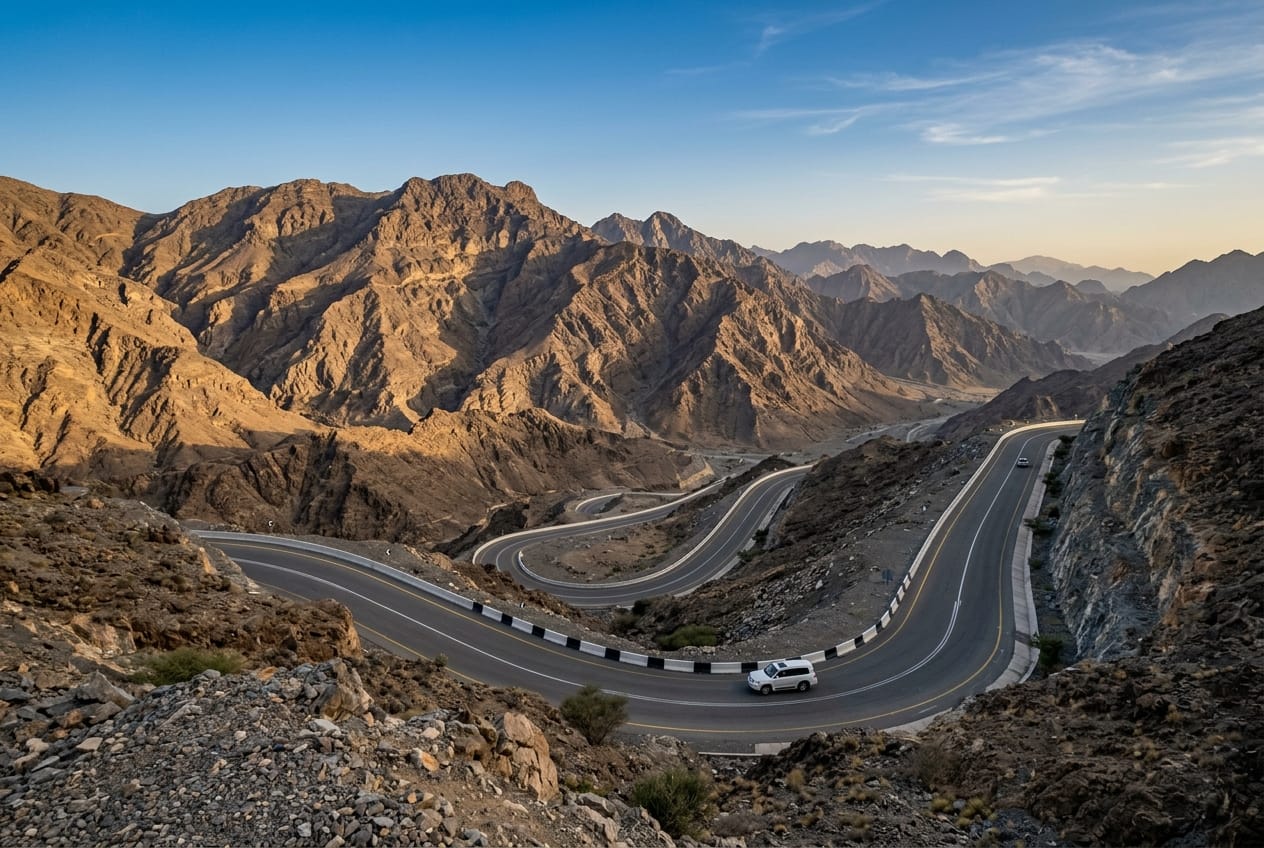
The road from Dubai to Hatta is the E44, which is a good highway most of the way. The last stretch into the mountains winds through smaller roads that can be narrow in places. If you are driving yourself, check that your car is comfortable on winding roads and that you have enough fuel. There are petrol stations in Hatta town, but they are not as frequent as in the city. If you join a tour, ask what kind of vehicle they use. A standard sedan can handle the main roads, but some of the more interesting spots require a vehicle with higher clearance. The tour company should be able to tell you whether you will stay on paved roads or go onto gravel tracks.
This is where you might come across the brand Hatta Mountain Tour Dubai as one of the operators offering trips into the area. When you compare options, look at the itinerary they describe and see if it matches the kind of experience you want. A tour that spends most of the time at the dam is very different from one that takes you up into the higher wadis.
Weather and what to wear
The Hatta mountains get noticeably cooler than Dubai, especially in the winter months. From December to February, daytime temperatures can be pleasant in the low twenties, but the shade in a narrow wadi can feel chilly. In summer, the heat is intense, and the sun reflects off the rocks. Whatever the season, bring more water than you think you need. A litre per person for a half-day trip is the minimum, and two litres is safer if you plan to walk.
Shoes matter more than usual here. The ground is uneven, with loose stones and gravel on many of the paths. Trainers with a decent tread work for the easy routes. If you plan to scramble over rocks or hike up to the old watchtowers, proper walking shoes or light boots give you better grip and protect your ankles. A hat, sunglasses and sunscreen are essential even in winter because the sun is strong at this latitude.
Time and timing
Hatta is about a 90-minute drive from central Dubai, but that can stretch to two hours in heavier traffic on a Friday morning. Plan to leave early. Most people aim to arrive by 9am to get the best light for photos and to avoid the crowds that build up later. If you are on a tour, check the pickup time and be ready. A late start can mean you hit the heat of the day while you are still out on the trail.
If you want to see both the dam and the heritage village, you need at least four to five hours on site. That does not include the drive. A full-day trip gives you time for a relaxed walk, a stop for lunch and a bit of exploration without rushing. Half-day tours work if you focus on one area, but you will have to skip something.
Check what is included in a tour package
If you book through a tour operator, read the inclusions carefully before you pay. Some tours cover entry fees, bottled water and a guide. Others charge extra for kayak rental, lunch or entry to certain sites. Ask specifically what is not included so that you do not arrive and find you need cash for things you assumed were covered.
The Hatta Mountain Tour Dubai package, for example, usually lists the main stops and the duration clearly. If you compare it with another operator, check whether the tour goes to the same places or takes a different route. A tour that promises "Hatta full day" might mean the dam and heritage village, or it might mean a longer drive up into the mountains with fewer stops. Read the day's schedule and decide which suits your mood.
Food and supplies
Hatta town has a few small restaurants and cafes, but the selection is limited compared to Dubai. If you are particular about food, pack a picnic. There are shaded spots near the dam and benches in the heritage village where you can sit and eat. Carry snacks and extra water in your bag regardless of where you plan to eat. The heat and the walking will make you thirstier than you expect.
If you are on a tour, ask whether lunch is provided or whether you will stop somewhere to buy food. Some tours include a meal at a local restaurant, and others give you free time to find your own. Knowing this in advance removes a small but real source of stress on the day.
Fitness and mobility
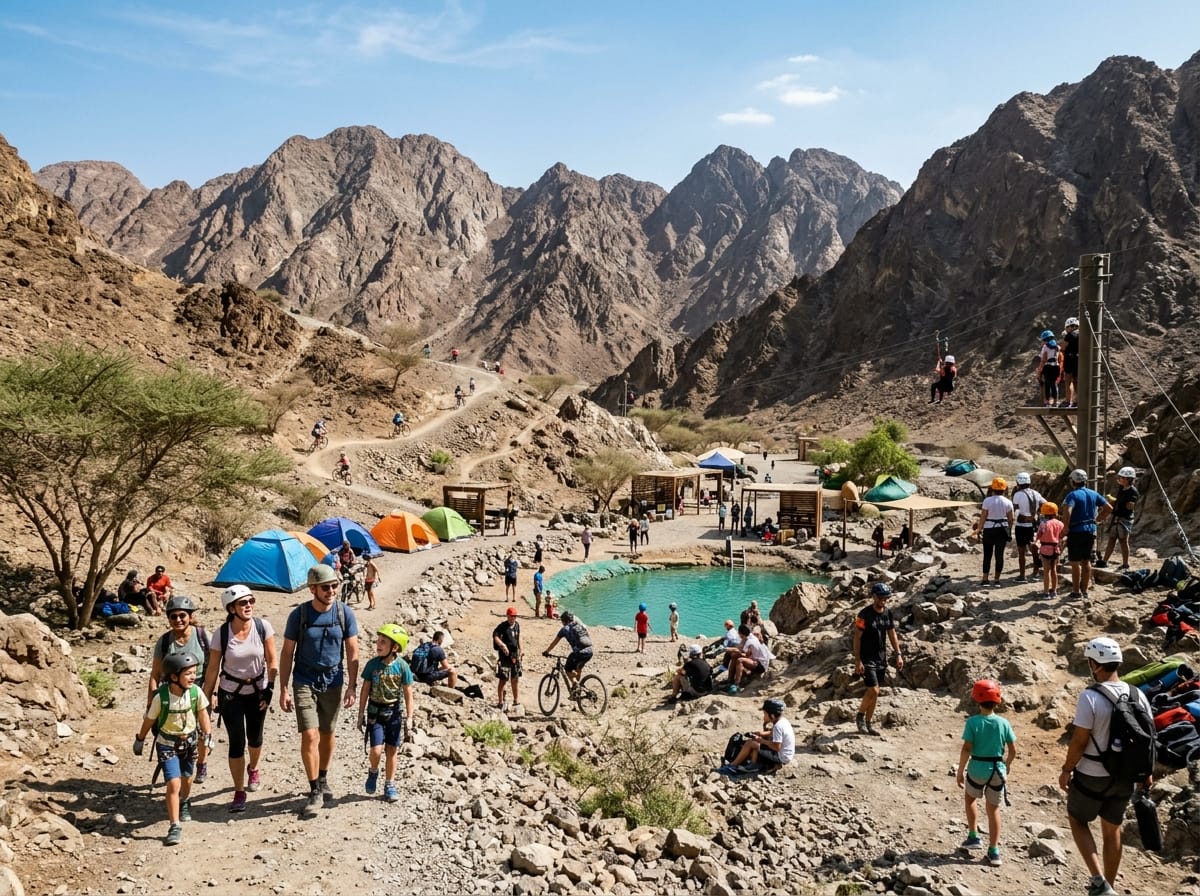
The Hatta area is not flat. Even a short walk from the car park to the dam involves a gentle slope. The trails vary from easy paved paths to rocky inclines that require a moderate level of fitness. If you have limited mobility, stick to the dam area and the heritage village, where the paths are smoother. Some of the more interesting viewpoints involve climbing a set of stone steps or walking up a dry riverbed. Check the difficulty rating of any trail you plan to walk, and be honest about your own comfort on uneven ground.
Phone signal and navigation
Mobile reception in the mountains can be patchy. Download offline maps of the area before you go if you are driving yourself. The main roads are well signposted, but the smaller tracks into the wadis are not. Let someone know your general plan if you are going on your own. If you are on a tour, your guide will have a radio or a satellite phone for emergencies, so that is one less thing to worry about.
Leave no trace
The Hatta mountains are a natural area that sees a growing number of visitors. Take your rubbish back with you. There are bins at the main sites, but the trails and the wadis do not have much infrastructure. A plastic bottle left behind can stay there for years. Respect the quiet of the place. It is one of the few spots near Dubai where you can hear the wind and the birds without traffic noise.
Working through these points before you book means you arrive prepared, with the right gear, the right expectations and a clear idea of what you want to do. The Hatta mountains reward a bit of forethought with a day that feels spacious and easy, even if the terrain is rough. Pick your focus, check your transport and your supplies, and you will get the most out of the trip.